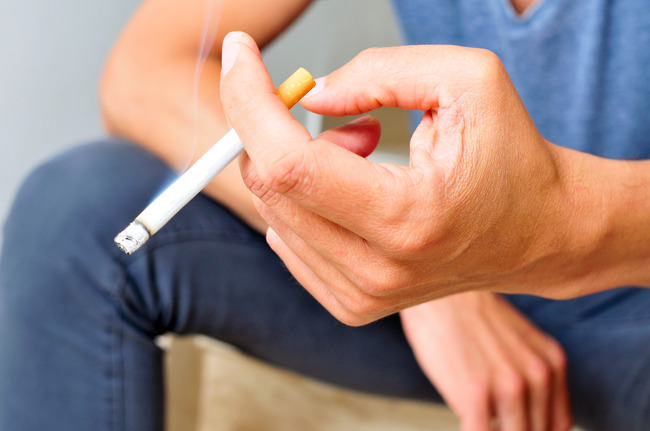
Your morning routine includes a quick smoke break before heading to work. Lately, though, you’ve noticed that the small cut on your foot just isn’t getting better despite your best efforts with bandages and over-the-counter treatments. The wound seems stuck in the same state it was weeks ago, and now you’re wondering if your smoking habit might be playing a role. Sound familiar?
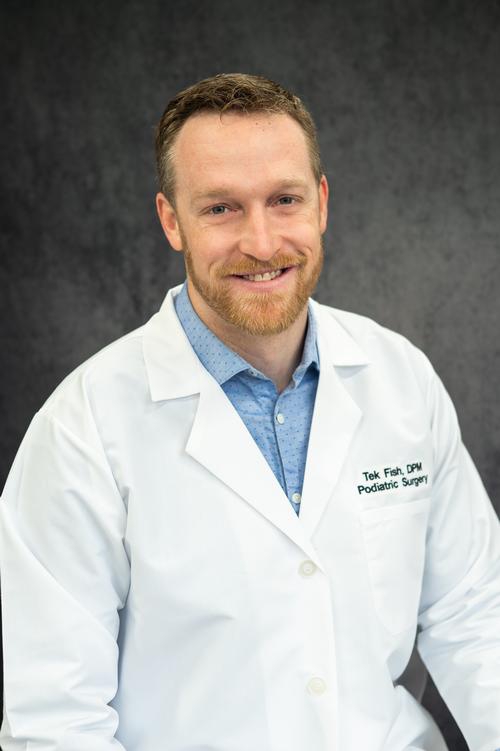
At Clover Podiatry, our team of Vancouver wound care specialists, led by Dr. Tek Fish and Dr. Jeffery Linscheid, frequently see patients whose wound healing is compromised by smoking. We understand it can be frustrating when your body doesn’t heal as quickly as expected, especially when it affects mobility and quality of life. Here’s what you should know about how smoking impacts foot wound healing and how you can improve your recovery.
Understanding the Link Between Smoking and Slow-Healing Foot Wounds
When you smoke, chemicals enter your body that can interfere with the healing process. To understand why that matters with a foot wound, it’s essential first to recognize how the body typically heals. When wounds heal normally, the process typically happens in these stages:
- Hemostasis. Shortly after the injury, your body naturally forms a clot to stop the bleeding.
- Inflammation. White blood cells flock to the site of the wound to fight off infection.
- Proliferation. New blood vessels and collagen form at the wound site.
- Maturation. The wound area strengthens over time as the new tissue becomes more structured.
Good blood flow is critical for foot wounds of any kind to heal efficiently. Blood delivers the oxygen and nutrients necessary for tissue repair while also carrying away waste. Any factor that interferes with circulation may slow healing or result in complications.
The Biological Impacts of Smoking on Wound Healing
Unfortunately, smoking directly affects your overall circulation. While that may be an issue for any injury, it’s especially bad for wounds on your feet. Blood flow to your feet is already slower due to gravity and the distance from the heart.
For smokers, this issue becomes more pronounced. The chemicals in cigarettes, such as nicotine, carbon monoxide, and hydrogen cyanide, contribute to several healing problems, including:
- Constricted blood vessels. Nicotine can narrow blood vessels, reducing the amount of blood, oxygen, and nutrients reaching the wound, making it harder for the body to repair the damage.
- Increased clot risk. Smoking also increases the likelihood of blood clots, which can further obstruct circulation. Clots may block blood flow entirely to certain areas, causing tissue damage and delaying healing in your feet.
- Reduced oxygen levels. Carbon monoxide from cigarettes binds to red blood cells, reducing the oxygen they can carry to your wound.
Diabetic and Post-Surgical Concerns for Smokers
Smoking’s effects on foot wounds are particularly concerning for diabetic patients. Diabetes already compromises circulation and nerve function in the feet, and smoking makes those issues worse. Diabetic smokers have a higher risk of developing foot infections or ulcers.
Diabetics who smoke face a double health risk to their foot health, as smoking compounds the circulatory problems associated with diabetes. A wound that might heal in weeks for non-smokers could take months to heal for smokers with diabetes. Without prompt and proper treatment, non-healing diabetic foot wounds can lead to amputation.
For patients who’ve had podiatric surgery—whether for a bunion, hammer toe, or another condition—smoking can extend your post-surgical recovery time. Many surgeons advise quitting smoking before a procedure to improve outcomes. Surgical wounds are susceptible to issues related to poor circulation. For example, your body’s reduced ability to form new tissue after surgery can lead to complications like infections, dehiscence (wound reopening), or poor scar formation.
Why Quitting Smoking to Matters If You're Concerned About Your Feet
The association between smoking and poor wound healing is well-documented. When it comes to foot wounds, the impact can be severe. Smoking impairs the immune system, increases infection risk, restricts blood flow, and lowers oxygen levels. For those with foot conditions, injuries, or underlying health issues like diabetes, quitting smoking is one of the best steps you can take to promote healing and prevent complications. Discover how our wound care specialists can help you restore or maintain your podiatric health.
Clover Podiatry Offers High-Quality Solutions for Diabetic Foot Care Concerns
Experience the Clover Podiatry difference by scheduling a wellness appointment with our team today. Complete our convenient online contact form or call us at (360) 450-6644. Same-day appointments may be available for emergencies. We’re proud to serve patients from Camas, Salmon Creek, Battleground, Ridgefield, White Salmon, Carson, and the surrounding areas.