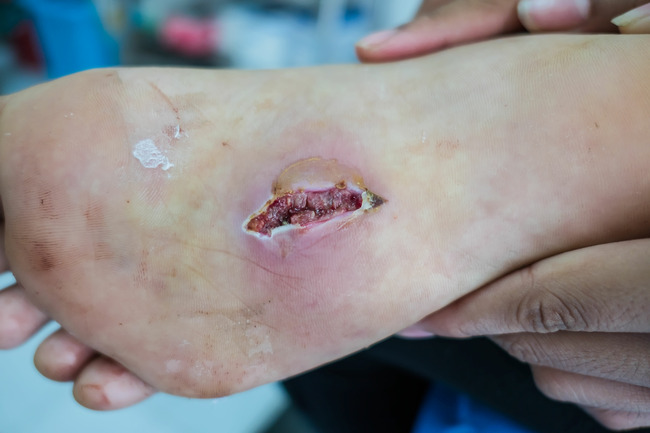
You’ve been nursing a foot wound for weeks without much improvement. It feels like you’re doing everything right—keeping it clean, following doctor’s instructions—yet healing remains stubbornly slow. Sound familiar? If so, an invisible barrier called biofilm could be preventing your recovery.
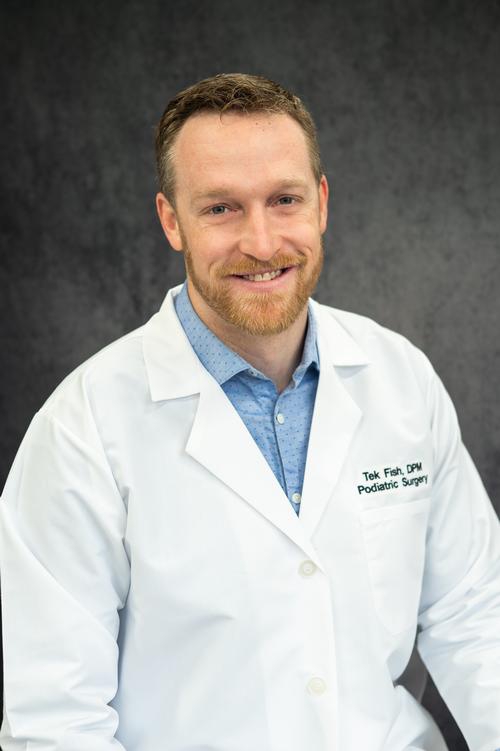
At Clover Podiatry, our team of talented Vancouver wound care experts, led by Dr. Tek Fish and Dr. Jeffery Linscheid, regularly treat patients with chronic wounds struggling to heal due to biofilm formation. This microscopic bacterial colonization delays healing and requires specialized wound care.
Here’s what you should know about biofilm, how it affects the healing process for chronic foot wounds, and the treatments we use to help Washington patients recover.
What to Know About Biofilm Formation
Biofilm is a community of microorganisms that attach to surfaces and create a protective shield around themselves, a significant advantage for bacterial colonization. Here’s how biofilm forms on wounds:
- Initial attachment. Within hours of wound formation, free-floating bacteria adhere to its surface using specialized structures to anchor themselves to tissues.
- Colonization growth. The attached bacteria multiply rapidly, producing a sticky extracellular polymeric substance (EPS) that protects the biofilm from external threats.
- Maturation phase. As it develops, biofilm becomes increasingly structured and treatment-resistant, creating a highly organized bacterial community rather than a simple collection of individual microbes.
- Dispersal phase. Mature biofilm periodically releases bacteria to colonize new areas, potentially spreading the infection beyond the wound site—a cyclical process that helps explain why chronic wounds often experience recurring infections despite treatment.
- Environmental adaptation Biofilm adapts to changing conditions, developing antibiotic and immune response resistance, making elimination particularly challenging.
How Biofilm Impedes Wound Healing
Once established in a foot wound, biofilm creates substantial barriers to healing, including:
- Immune system interference. Biofilm causes prolonged inflammation, damaging surrounding healthy tissue rather than promoting healing and contributing to the chronic nature of the wound.
- Antibiotic resistance. A protective matrix surrounds the biofilm's bacteria, making standard antibiotic treatments much less effective.
- Nutrient competition. Bacteria within biofilm consume oxygen and nutrients that would otherwise support tissue repair and regeneration. This competition for resources essentially starves the wound of what it needs to heal.
- Physical barrier formation. Biofilm's physical structure prevents epithelial cells from migrating across the wound bed, a critical step in wound closure that prevents the wound from closing naturally.
- Growth factor disruption. Biofilm further compromises the body's natural repair mechanisms by degrading or inactivating growth factors. Without these signaling molecules, tissue regeneration breaks down.
Why Professional Podiatric Care and Advanced Therapies Are Vital for Managing Biofilm
Biofilm-infected foot wounds require specialized care. At Clover Podiatry, our Vancouver podiatrists have the experience to recognize the subtle signs of biofilm involvement in chronic wounds. We offer a variety of advanced treatments to effectively disrupt and eliminate these bacterial communities, such as:
- Debridement. Regularly removing dead tissue and biofilm through surgical, enzymatic, or mechanical methods creates a cleaner wound environment. This technique is a crucial first step in biofilm management for foot wounds.
- Antimicrobial dressings. Wound dressings containing silver, iodine, or other antimicrobial agents can help prevent biofilm reformation between clinical visits. These products maintain a hostile environment for bacterial colonization.
- Wound cleansing. Pressurized irrigation with antiseptic solutions helps dislodge biofilm particles and reduce bacterial load in the wound bed, reaching areas that might be missed during manual debridement.
- Topical oxygen therapy. Increasing oxygen levels in the wound environment can both support tissue healing and create conditions less favorable for biofilm formation—an approach that addresses the tissue's healing needs and biofilm-promoting environmental factors.
- Combination protocols. The most effective treatment plans typically involve multiple approaches used in sequence or combination. This comprehensive strategy acknowledges that biofilm is unlikely to respond to any single intervention and requires a multifaceted approach.
Our wound care specialists create customized treatment protocols that address your wound conditions. We regularly evaluate your healing progress, allowing for timely adjustments to treatment plans when needed. You can also rely on us to provide preventive strategies for managing risk factors for biofilm reformation.
Don’t let biofilm keep your foot wound from healing properly. Our Vancouver foot and ankle specialists understand the challenge of managing chronic foot wounds with biofilm involvement. Discover how we can help you heal and return to your favorite activities.
Contact Our Vancouver Podiatrist for Foot Wound Care in Washington
If something doesn’t look or feel right, trust the skilled medical team at Clover Podiatry to help. Our whole-person approach recognizes your unique needs and our experienced foot doctors will provide you with the treatment solutions you need for better health.
To request an appointment, click the button above and fill out our online form. For immediate assistance, call our office at 360-450-6644.